Training Tip: A Soft Mouth Comes From a Soft Body
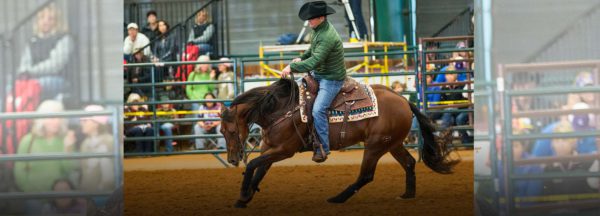
People often complain to me about their horse leaning against the bit and pulling on the reins. “He has a hard mouth, Clinton. How do I fix him?” they’ll ask. The answer is horses don’t have hard mouths, they have hard, stiff bodies. If your horse is pulling on the reins, it’s a good sign that you don’t have his five body parts (head and neck, poll, shoulders, ribcage and hindquarters) soft and supple. If you get the horse’s five body parts loosened up and suppled, you’ll find that his mouth will be velvet soft. That’s why in the Method we work on moving the horse’s hindquarters, softening his ribcage with the bending exercises and teaching him how to flex his head and neck at the standstill before we even teach him vertical flexion. Once we have his head and neck, poll, shoulders, ribcage and hindquarters soft and supple to the point that we can move them in any direction we want, by the time we ask him to collect, it’s not a big fight. In fact, if you’ve done your homework right, when you pick up on both reins and ask the horse to collect, he’ll feel light and soft in your hands.
