Three Ways to Avoid Dehydration If Your Horse Is Not Drinking in Winter
By Ritchie Industries
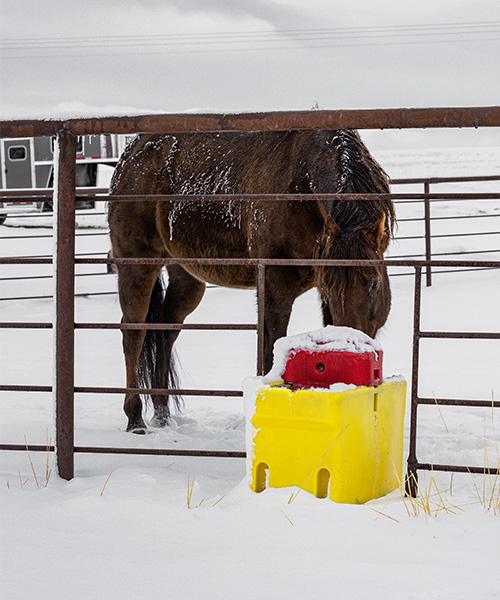
When the temperature drops, so can your horse’s water intake—and that’s a problem you can’t afford to overlook. Proper hydration is important to a horse’s digestion, temperature regulation, joint lubrication and cellular function. And dehydration in winter is a serious risk, even though it’s not hot outside.
Cold weather changes how horses drink, so they need a little help to ensure that they’re still getting enough fresh, clean water every day. We talked to the experts and have three key ways to help your horse stay hydrated all winter long.
1. Warm water keeps horses hydrated in winter.
Horses have a natural tendency to drink less water in colder temperatures. And the temperature of their water can greatly influence how much they drink. If given the choice between warm water and cold water, horses will choose the cold water—but they will consume less of it. Researchers at the University of Pennsylvania School of Veterinary Medicine found that horses drank almost 40 percent more water per day during cold weather if they were given warm (45 degrees Fahrenheit to 65 degrees Fahrenheit) water instead of ice-cold water.
The message here: Don’t let your horse make the call. Keep water sources warm in winter for better hydration.
2. Electrolytes and loose salt help horses drink more water in winter.
If your horses are not drinking water in winter, you can top-dress feed with electrolytes and offer loose salt to help encourage them to drink more water, according to Lydia Gray, DVM and staff veterinarian at SmartEquine. Adult horses need 1 to 2 ounces of salt daily, preferably loose salt rather than frozen salt blocks during the winter.
Supplementing with electrolytes to improve hydration is a balancing act. You must ensure your horse is drinking enough when you’re supplementing with electrolytes or dehydration could become worse.
3. Winter hydration starts with clean waterers.
When life gets hectic, cleaning out troughs or buckets can fall to the bottom of your list of priorities. But this is a critical chore, especially if your horse isn’t drinking water in winter. Horses prefer clean, fresh water and may refuse to drink if small bits of hay, feed or even manure are floating in their water. Plus, trough waterers are notorious for algae growth. That, and decomposing leaves and debris, makes the water taste bad. While they still need regular cleaning, automatic waterers can make this chore a lot easier and ensure delivery of fresh, clean water
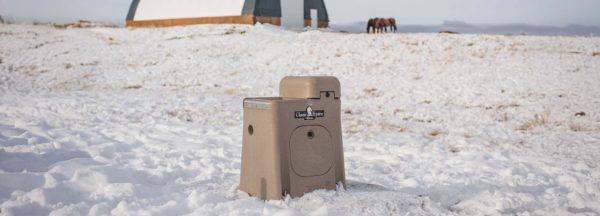
Learn more about how Ritchie automatic waterers can help you keep your horses hydrated through the winter—and the entire year—at ritchiefount.com.
Winter hydration isn’t just important—it’s essential to your horse’s health and well-being. By offering warm water, supplementing with electrolytes and loose salt, and keeping waterers clean, you’re tackling the top reasons your horse is not drinking water in winter. These small but impactful steps can help prevent dehydration, support digestion and keep your horses feeling their best all season long.